
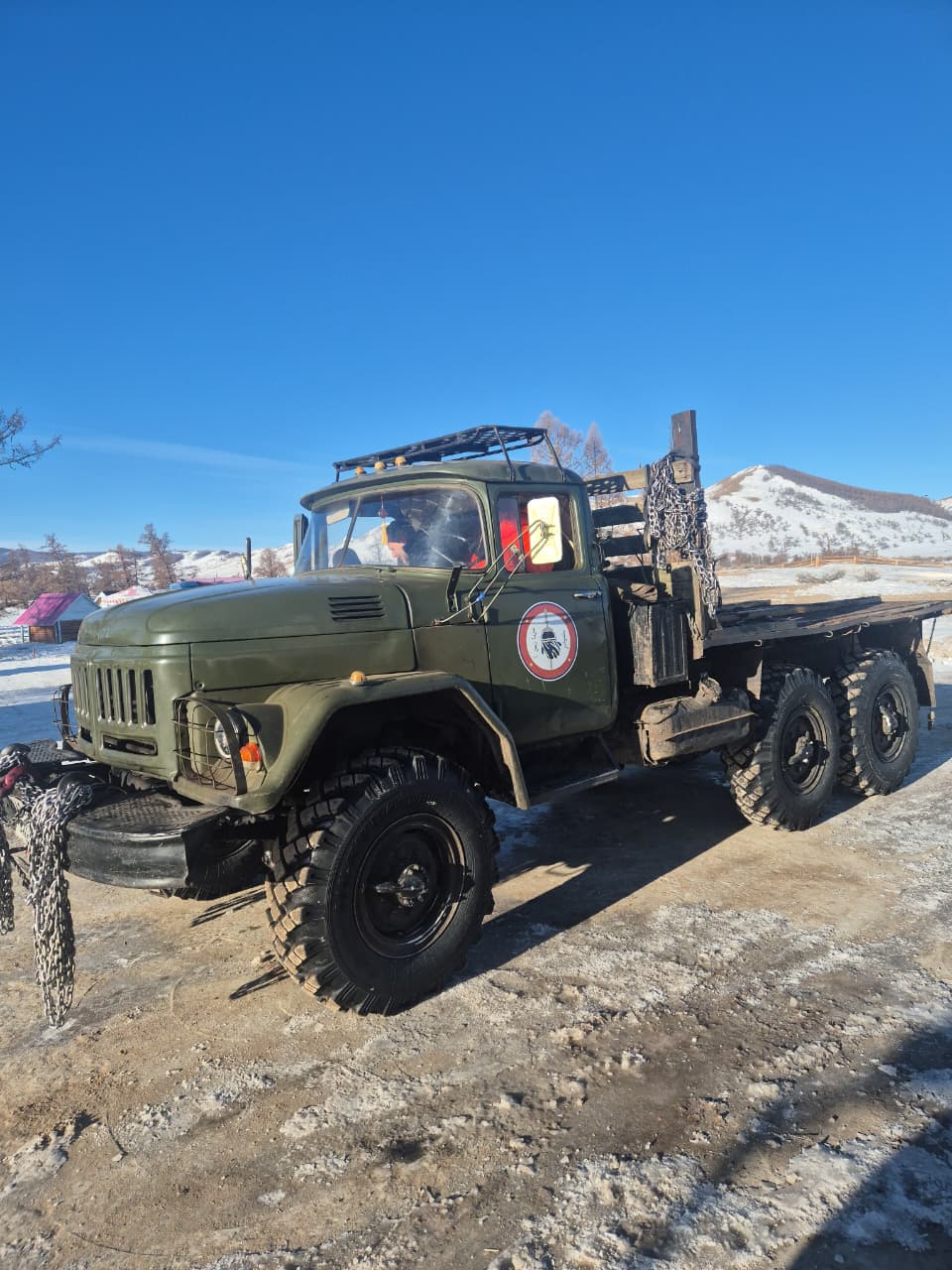
Few machines embody rugged engineering quite like the ZIL-131. Introduced in the 1960s at the height of the Cold War, this Soviet-built 6×6 military truck wasn’t just designed to move—it was built to endure.
At its heart lies a 6.9 litre V8 petrol engine producing around 150 bhp, paired with a 5-speed manual transmission. On paper, the numbers may seem modest. But the intent was never outright speed. Instead, the engine was tuned for durability, consistency, and the ability to perform relentlessly under stress—qualities that mattered far more on the battlefield than acceleration figures ever could.
What truly sets the ZIL-131 apart is its sheer versatility. It wasn’t confined to a single role—it was a platform. From troop transport and artillery towing to acting as the base for fuel carriers, communication units, and even rocket launcher systems, the ZIL-131 became an indispensable asset across military operations. Its straightforward, no-frills engineering meant it could be repaired in the field with minimal resources—a critical advantage in remote and hostile environments.
Off the road is where the ZIL-131 reveals its true character. With a 6×6 drivetrain, generous ground clearance, and a chassis built to absorb punishment, it thrives in conditions that would immobilize most vehicles. Mud, snow, broken terrain—it simply pushes through. Designed to operate in extremes, it remained dependable whether in sub-zero climates or harsh, uneven landscapes.
And yet, beyond its utilitarian purpose, the ZIL-131 carries an emotional weight that’s hard to ignore.
The first time I experienced it—as an 18-year-old—it was unexpectedly approachable. Despite its size and presence, it was surprisingly easy to drive. What stood out wasn’t just the torque, but the sense of authority it delivered from behind the wheel. It didn’t feel like driving a truck—it felt like commanding a machine.
There was something raw about it. Unfiltered. Mechanical. Almost cinematic. The kind of experience that reminds you of machines from another era—where capability mattered more than comfort, and character was built into every movement. In many ways, it felt like stepping into a real-world counterpart of something out of Transformers—evoking the same larger-than-life presence as Optimus Prime.
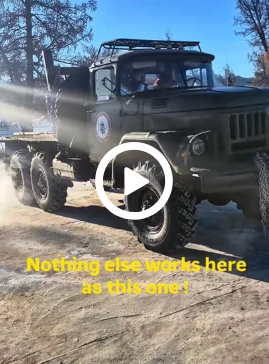
Today, decades after its introduction, the ZIL-131 remains an icon. Not because of nostalgia alone, but because it represents a philosophy of engineering that prioritized resilience above all else. It is a reminder of a time when machines were built to last, to serve, and to conquer the harshest conditions imaginable.
Fascinated by raw driving experiences and automotive legends? You’ve arrived at the right place. At CLcompany, we share real stories, deep dives, and reflections from behind the wheel. If you’re passionate about cars and have a story of your own to tell, don’t forget to explore the writer’s section on the CLcompany website.