
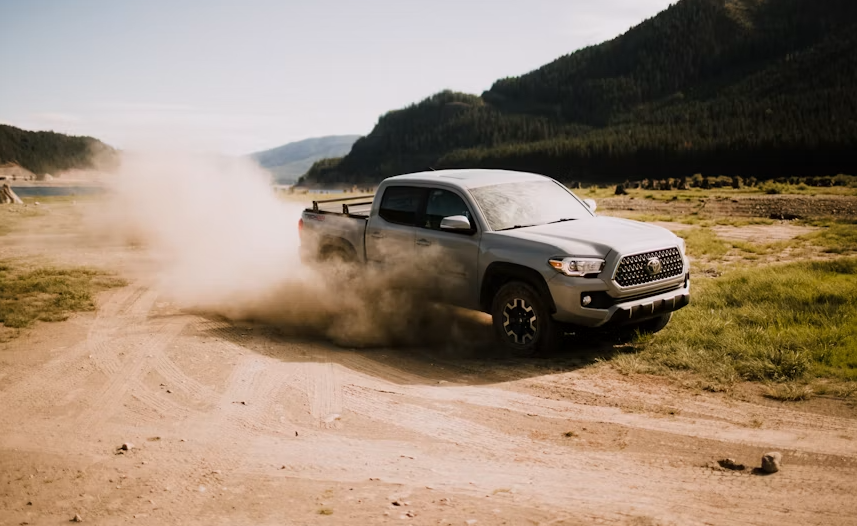
For over 55 years, the Toyota Hilux has built a reputation as one of the toughest and most dependable pickup trucks ever made. From farms and construction sites to deserts, mountains, and even the Arctic, the Hilux has repeatedly proven that it can handle extreme conditions.
From a simple compact workhorse in 1968 to today’s technology-packed pickup, every generation has added something new while keeping the toughness that made the Hilux famous.
Here’s a look at every generation and what made each one special.
1st Generation (1968–1972): The Beginning
The first Toyota Hilux was introduced in 1968 as a compact pickup designed to be simple, reliable, and affordable. It quickly became popular with small businesses and farmers thanks to its durability and low maintenance requirements.
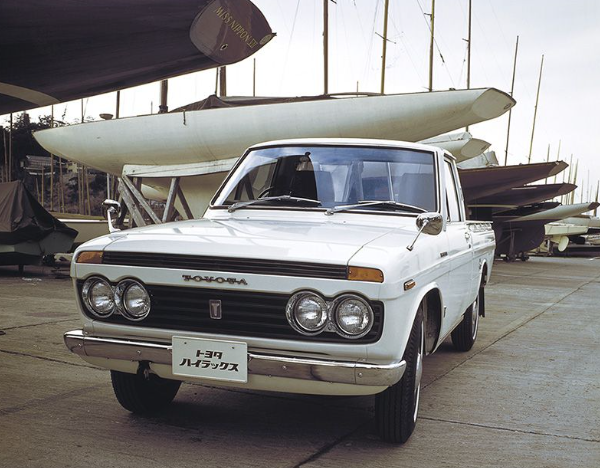
Specifications
Engine: 1.5L Petrol
Power: 70 PS (69 hp)
Torque: ~110 Nm
Transmission: 4-speed Manual
What Made It Special?
The first-generation Hilux laid the foundation for Toyota’s legendary reputation for reliability. It wasn’t particularly powerful, but it was simple, dependable, and capable of working every day without demanding much maintenance.
2nd Generation (1972–1978): More Comfortable, More Capable
Toyota listened to its customers and made the Hilux larger, more comfortable, and more powerful. It became easier to drive on highways while still maintaining its workhorse character.
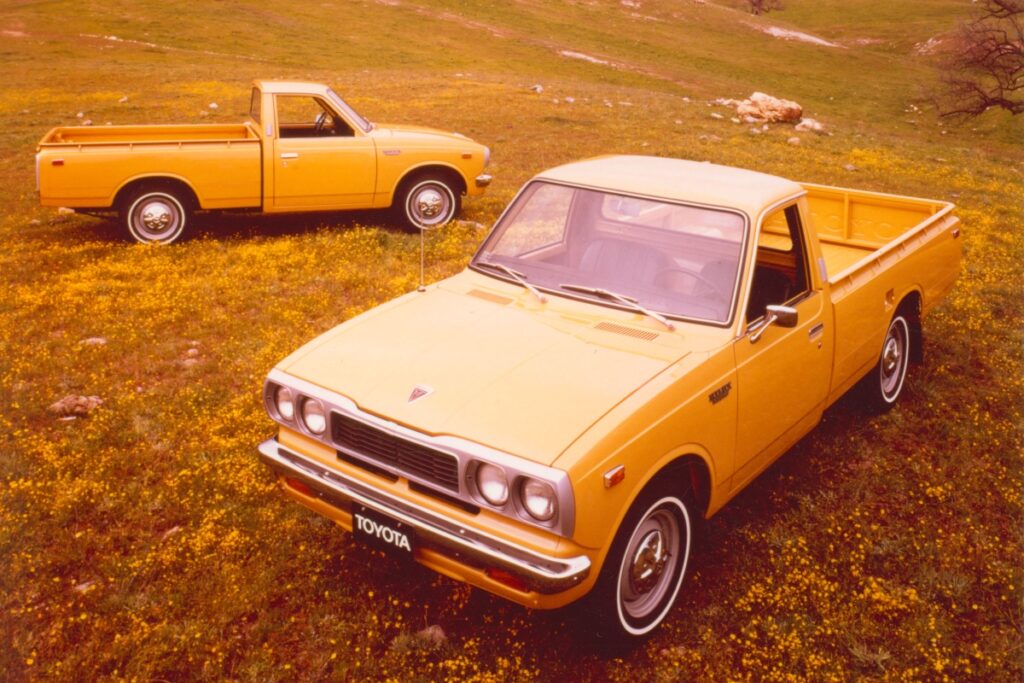
Specifications
Engine: Up to 2.0L Petrol
Power: Up to 105 hp
Torque: ~165 Nm
What Made It Special?
This generation helped transform the Hilux from a purely commercial vehicle into a pickup that could also appeal to families and everyday drivers. It offered more space, improved comfort, and greater performance without abandoning its rugged roots.
3rd Generation (1978–1983): The Rise of the 4×4
The third generation marked a major turning point with the introduction of factory-built four-wheel-drive models. The Hilux became stronger, more capable, and ready to tackle rough terrain.
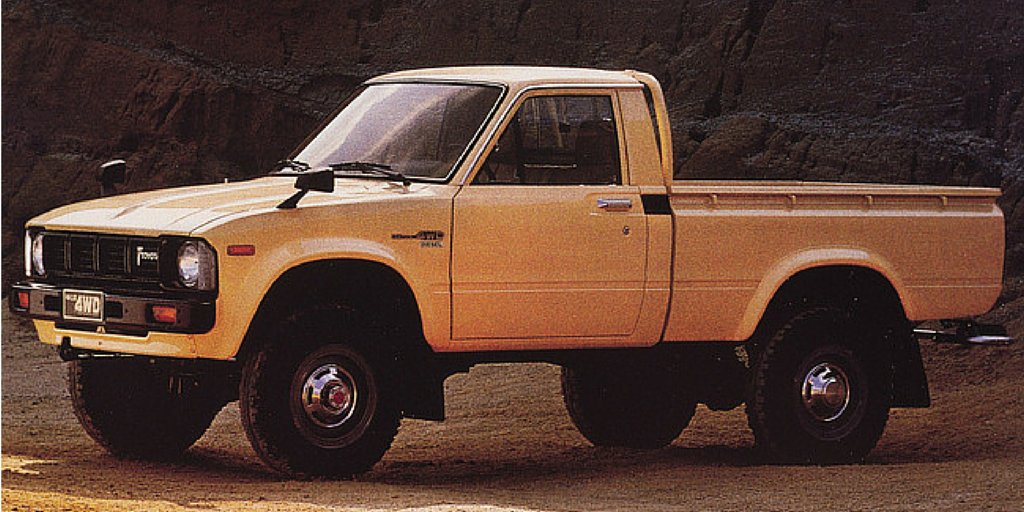
Specifications
Engine: 1.6L–2.2L Petrol/Diesel
Power: Up to 97 hp
Torque: Up to 170 Nm
What Made It Special?
The introduction of factory 4WD helped establish the Hilux as a serious off-road pickup. It could now go far beyond the limitations of a conventional two-wheel-drive work truck, opening the door to the adventure and off-road reputation that would follow the Hilux for decades.
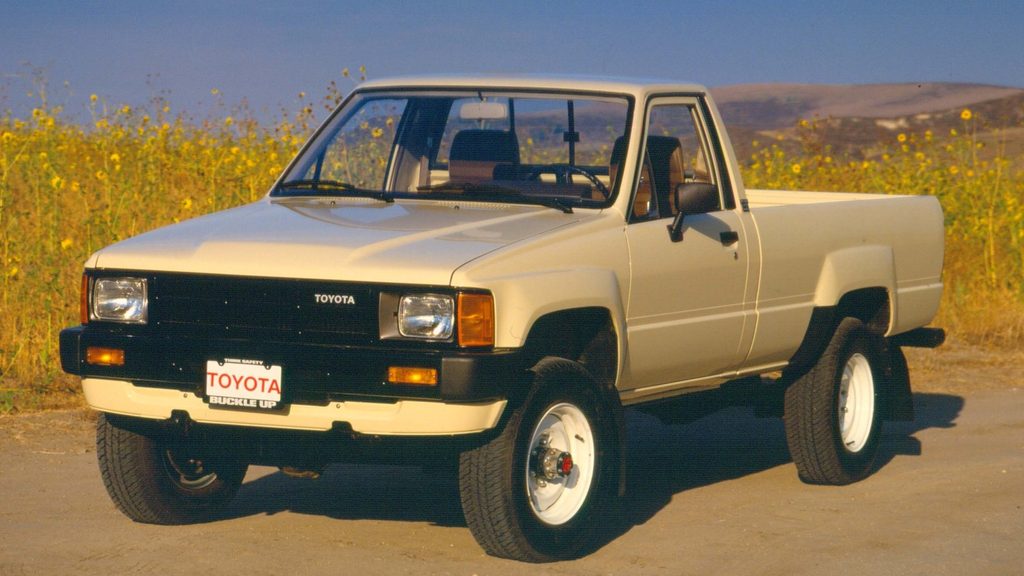
4th Generation (1983–1988): Built for Adventure
With improved suspension, a stronger chassis, and better diesel engines, the fourth-generation Hilux became a favorite among adventurers and explorers around the world.
Specifications
Engine: Up to 2.4L Diesel
Power: Up to 97 hp
Torque: ~190 Nm
What Made It Special?
This generation became famous for its incredible durability and serious off-road capability. Its toughness was famously put to the ultimate test by Top Gear in 2003.
The show bought a used fourth-generation Hilux and subjected it to a series of increasingly brutal tests. It was submerged in the sea, crashed, dropped from height, attacked with a wrecking ball, set on fire, and eventually placed on top of a building that was demolished.
Despite the abuse, the Hilux was repaired and continued to run. The legendary test became one of the most famous demonstrations of the Hilux’s durability and helped cement its reputation as an almost indestructible pickup.
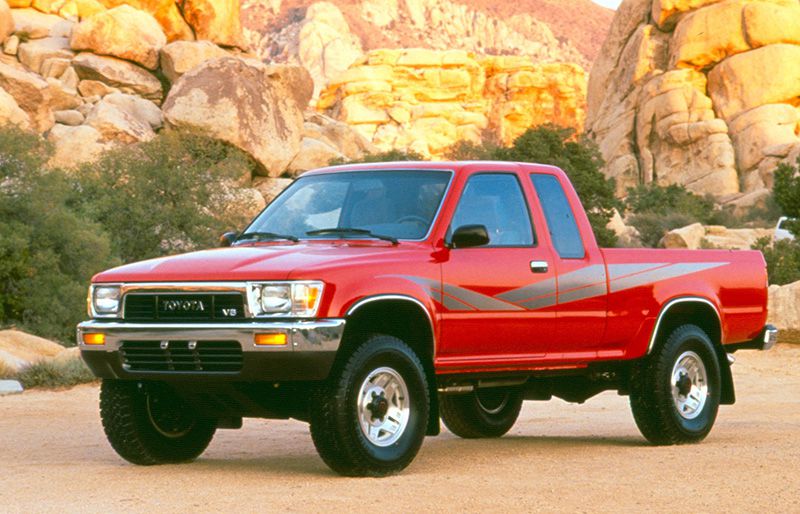
5th Generation (1988–1997): Stronger Than Ever
Toyota modernized the Hilux with improved safety, a more comfortable cabin, and more powerful diesel engines. It appealed to both professional users and private owners.
Specifications
Engine: Up to 3.0L Diesel
Power: Up to ~130 hp
Torque: Up to ~290 Nm
What Made It Special?
The fifth generation continued to build the Hilux’s worldwide reputation for durability. It was capable of handling demanding work while becoming increasingly comfortable and practical for everyday driving.
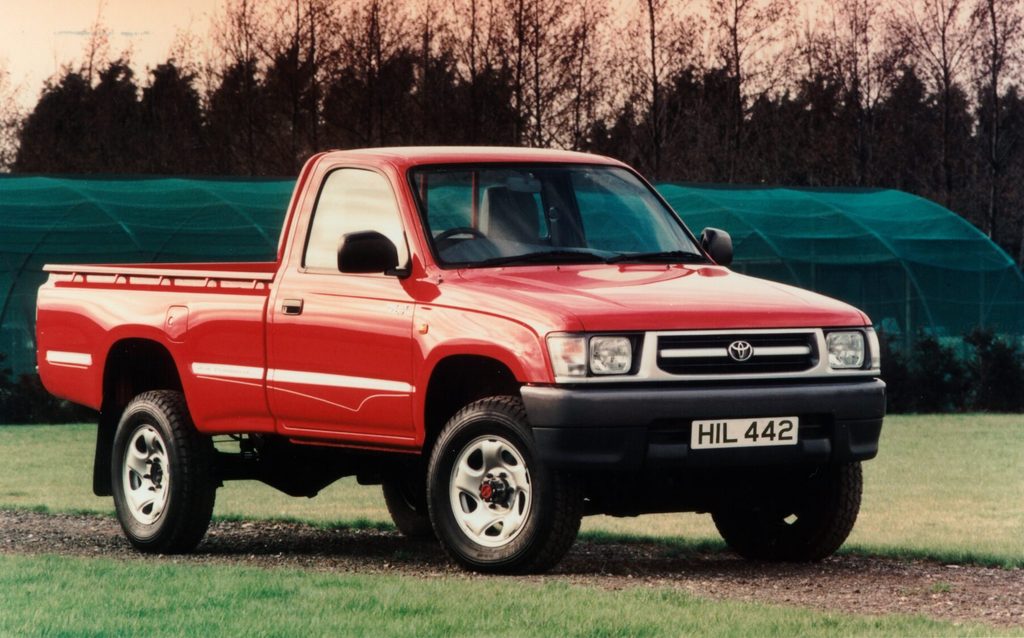
6th Generation (1997–2004): A Modern Pickup
The sixth-generation Hilux combined ruggedness with more modern styling and improved refinement. Better handling and stronger turbo-diesel engines made it more enjoyable to drive while retaining its workhorse abilities.
Specifications
Engine: Up to 3.0L Turbo Diesel
Power: Up to 163 hp
Torque: Up to 343 Nm
What Made It Special?
Toyota successfully balanced work capability with everyday comfort. The Hilux was no longer simply a vehicle for farms, construction sites, and rough terrain it could also serve as a practical everyday pickup for families and private owners.
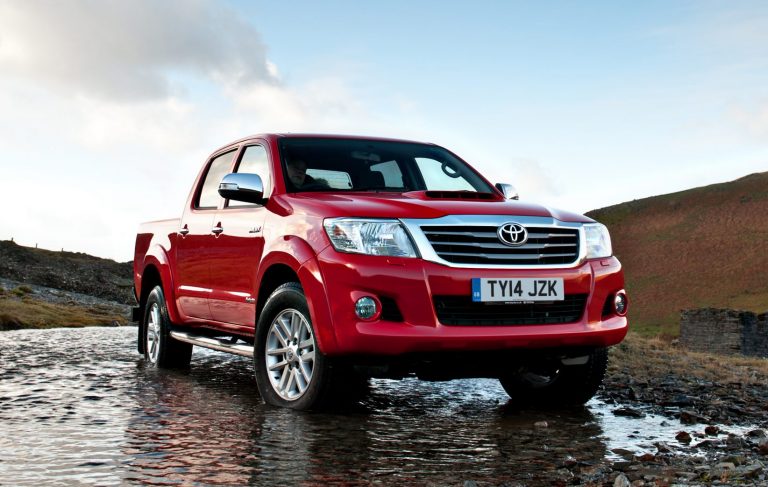
7th Generation (2004–2015): The Global Legend
The seventh-generation Hilux grew larger, safer, and more refined than ever before. It became one of Toyota’s most important global models and was sold across markets around the world.
Specifications
Engine: 3.0L D-4D Turbo Diesel
Power: Up to 171 hp
Torque: Up to 343 Nm
What Made It Special?
The seventh generation helped establish the Hilux as a truly global pickup. It combined the traditional ladder-frame toughness and off-road capability of the Hilux with improved comfort, safety, performance, and everyday usability.
It also became an important foundation for Toyota’s modern rally-raid program. The Hilux evolved from a rugged production pickup into the basis for Toyota’s highly developed Dakar racing machines, proving that its reputation for durability could translate into one of the world’s toughest motorsport events.
8th Generation (2015–Present): Tough Meets Technology
The eighth-generation Hilux brought a major step forward in technology, comfort, safety, and performance. It retained the traditional body-on-frame construction and serious off-road capability while becoming significantly more sophisticated.
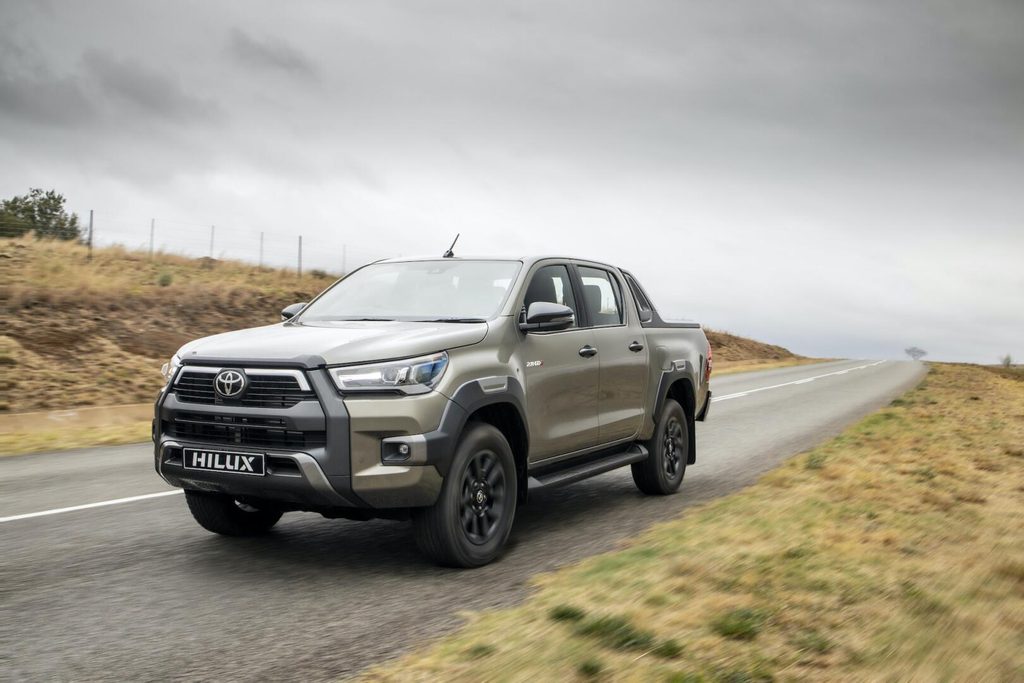
Specifications
Engine: 2.8L GD Turbo Diesel
Power: Up to 204 PS
Torque: Up to 500 Nm
Transmission: 6-speed Manual / 6-speed Automatic
What Made It Special?
The eighth-generation Hilux proved that a tough workhorse could also be modern and premium. Better interiors, advanced safety technology, improved ride quality, and stronger engines made it suitable for work, adventure, and everyday driving.
Performance-oriented versions such as the GR Sport added a sportier appearance and sharper dynamics while retaining the rugged character that defines the Hilux.
What’s New With the 2026 Hilux?
9th Generation Toyota Hilux (2026–Present)
The 2026 Hilux marks the latest major evolution of Toyota’s legendary pickup. It combines the Hilux’s traditional toughness with a more modern design, upgraded technology, improved comfort, and a more premium interior.
The new generation features a bolder exterior design, a redesigned cabin, modern digital displays, enhanced safety technology, and improved everyday refinement while retaining the body-on-frame architecture and off-road capability that have defined the Hilux for decades.
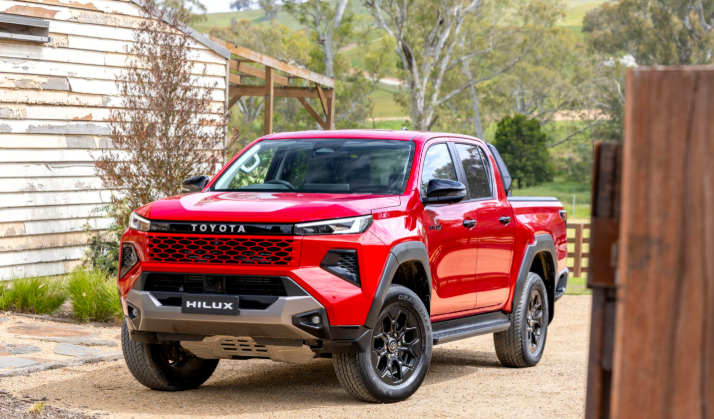
Specifications
Engine: 2.8L GD Turbo Diesel
Displacement: 2,755 cc
Power: 204 PS (201 hp)
Torque: 500 Nm
Transmission: 6-speed Automatic
Drivetrain: 4×2 or 4×4, depending on variant
The 2026 India-spec Hilux continues with the 2.8-litre diesel producing 204 PS and 500 Nm, with the new model offered with automatic transmission in India.
What Made It Special?
The ninth-generation Hilux brings more than half a century of evolution into a much more sophisticated package. It combines the traditional durability of the Hilux with a more premium cabin, modern displays, enhanced safety features, improved comfort, and advanced four-wheel-drive technology.
It proves that a pickup doesn’t have to choose between being a rugged workhorse and a comfortable modern vehicle—the latest Hilux is designed to be both.
Fun Fact: The Hilux and the Dakar Rally
The Hilux’s toughness isn’t limited to farms, construction sites, or off-road trails. It has also become a major force in one of motorsport’s toughest challenges: the Dakar Rally.
Toyota’s Dakar Hilux has achieved multiple overall victories, with Nasser Al-Attiyah winning in 2019, 2022 and 2023, followed by Yazeed Al Rajhi winning in 2025 with an Overdrive Toyota Hilux. In 2025, Al Rajhi became the first Saudi driver to win the Dakar Rally, bringing the Hilux its fourth overall Dakar victory.
But these aren’t ordinary showroom Hiluxes. Toyota’s Dakar machines are highly engineered T1+ rally-raid prototypes, designed specifically to survive thousands of kilometres of sand, rocks, dunes, extreme heat, high-speed sections, and brutal jumps.
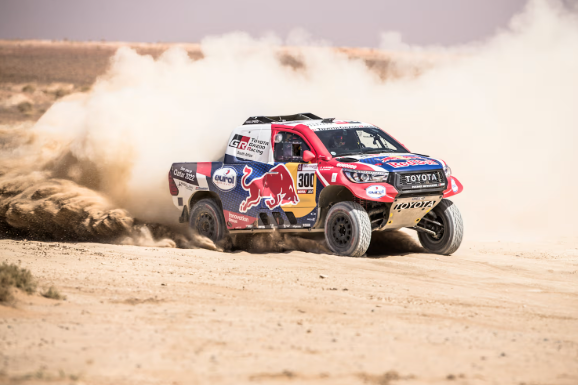
What makes the Hilux particularly impressive in Dakar is the combination of speed, durability, reliability, and strategy. Winning isn’t simply about having the fastest truck it is about surviving two weeks of punishment while minimizing mechanical problems, managing tyres, navigating correctly, and knowing when to attack and when to preserve the vehicle.
That philosophy perfectly reflects what the Hilux has represented since 1968: build it tough, make it reliable, and keep moving no matter how difficult the terrain gets.
And that is exactly why, after more than five decades and nine generations, the Toyota Hilux remains one of the world’s most iconic pickups.
Fascinated by raw driving experiences and automotive legends? You’ve arrived at the right place. At CLcompany, we share real stories, deep dives, and reflections from behind the wheel. If you’re passionate about cars and have a story of your own to tell, don’t forget to explore the writer’s section on the CLcompany website.