
Legacy
The Ferrari Enzo is one of the most iconic supercars ever produced by Ferrari. Introduced in 2002, it was named in honor of the company’s founder, Enzo Ferrari, to celebrate his vision of building cars that combined cutting-edge technology with unmatched driving performance. The Enzo represented the pinnacle of Ferrari’s engineering and incorporated many technologies developed through the company’s successful Formula 1 racing program. At the time of its launch, it was Ferrari’s fastest and most advanced road car, showcasing the brand’s commitment to innovation. With only 399 units initially planned for production (later increased to 400), the Enzo quickly became one of the most exclusive and sought-after Ferraris ever built.
Specifications
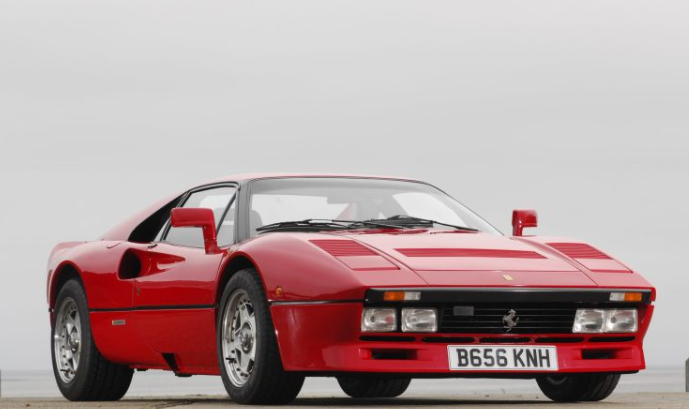
The Ferrari Enzo is powered by a naturally aspirated 6.0-litre V12 engine that produces 660 horsepower and 657 Nm of torque. The engine is paired with a 6-speed F1-style automated manual transmission that delivers lightning-fast gear changes. Built around a lightweight carbon-fibre monocoque chassis, the Enzo has a dry weight of approximately 1,255 kg, allowing it to achieve exceptional performance.
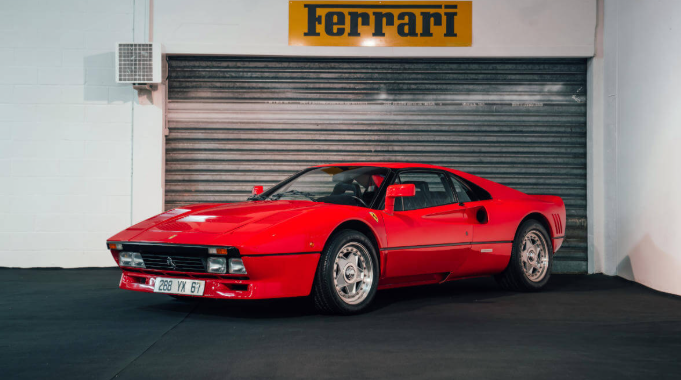
It accelerates from 0 to 100 km/h in just 3.65 seconds and has a top speed exceeding 350 km/h. The car features carbon-ceramic brakes for outstanding stopping power, active aerodynamics that automatically adjust to improve stability, and advanced suspension systems derived from Formula 1 technology. Every component was designed to maximize speed, handling, and driver control.
Heritage
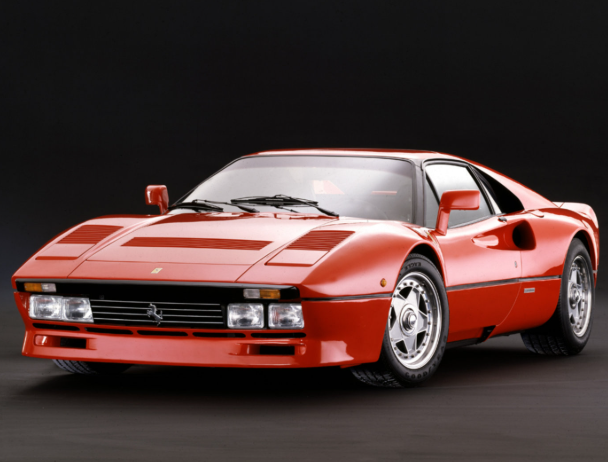
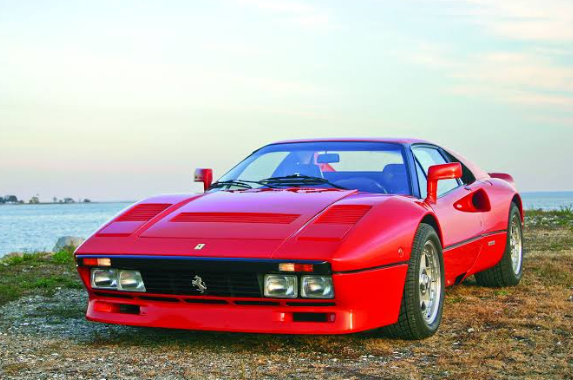
The Ferrari Enzo continues the tradition of Ferrari’s legendary halo cars, following the iconic 288 GTO, F40, and F50. It was developed during one of Ferrari’s most successful Formula 1 eras, when the team dominated the championship with Michael Schumacher. Many of the technologies used in the Enzo, including its carbon-fibre construction, paddle-shift transmission, aerodynamic design, and carbon-ceramic brakes, were inspired directly by Formula 1 racing. The Enzo also paved the way for Ferrari’s future flagship models, especially the LaFerrari, which further advanced hybrid performance technology. Today, the Enzo is regarded as a milestone in automotive history and is highly valued by collectors due to its rarity, engineering excellence, and historical importance.
An Enthusiast’s Detail
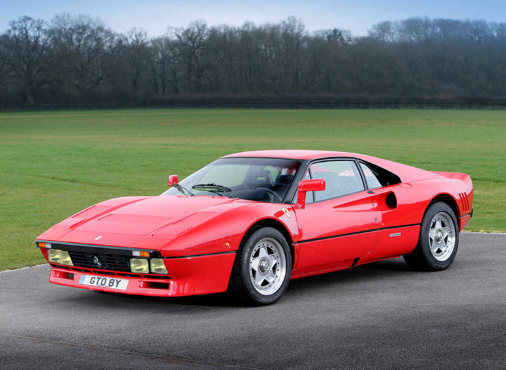
For true purists, one of the coolest things about the Enzo is that it generates the enormous downforce characteristic of today’s hypercars not by using a gigantic wing on the front or rear of the car, but rather by utilising ground effects generated underneath the body. This was the result of the brilliant engineering solutions of Pininfarina chief designer and creator of the Enzo, Ken Okuyama. The sculpted underbody channels air to form a huge suction on a massive rear diffuser, while a small active rear spoiler and active front underbody flaps contribute to the effect when needed. On top of that, the Tipo F140 B V12 used in the Enzo was a brand-new development for Ferrari, and the improvements made to the powerplant’s design allowed it to be utilised in different V12 supercars for the next 20 years after the Enzo’s debut, including the 812 Superfast.
Conclusion
The Ferrari Enzo is much more than a high-performance sports car; it is a symbol of Ferrari’s passion for innovation, speed, and engineering excellence. By combining Formula 1 technology with breathtaking performance and timeless styling, the Enzo set new standards for supercars around the world. Its limited production, exceptional capabilities, and tribute to Ferrari’s founder have made it one of the most admired and collectible cars ever built. Even decades after its introduction, the Ferrari Enzo remains an automotive masterpiece and an enduring representation of Ferrari’s rich heritage and pursuit of perfection.
Fascinated by raw driving experiences and automotive legends? You’ve arrived at the right place. At CLcompany, we share real stories, deep dives, and reflections from behind the wheel. If you’re passionate about cars and have a story of your own to tell, don’t forget to explore the writer’s section on the CLcompany website.