
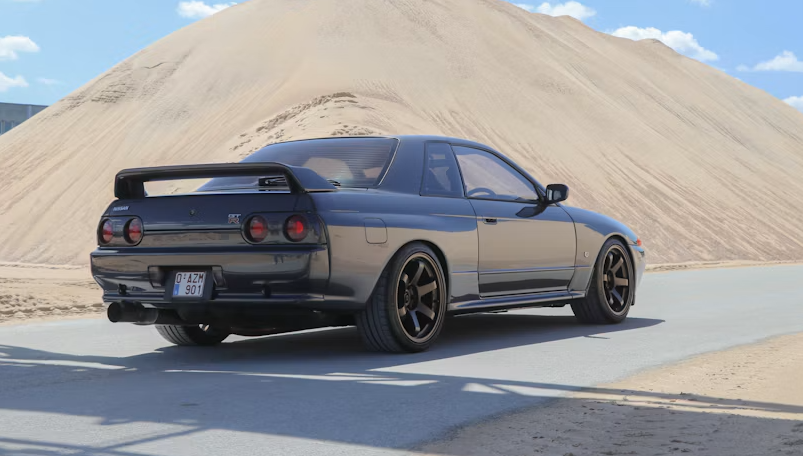
When looking at the dawn of the 1990s, to truly understand the significance of what was to come, one must look towards Japan in 1989. This was the year that Nissan unveiled a machine born with the sole purpose of dominating the Group A touring car racing circuits.
The R32 Skyline GT-R was a beast that would change the game forever.
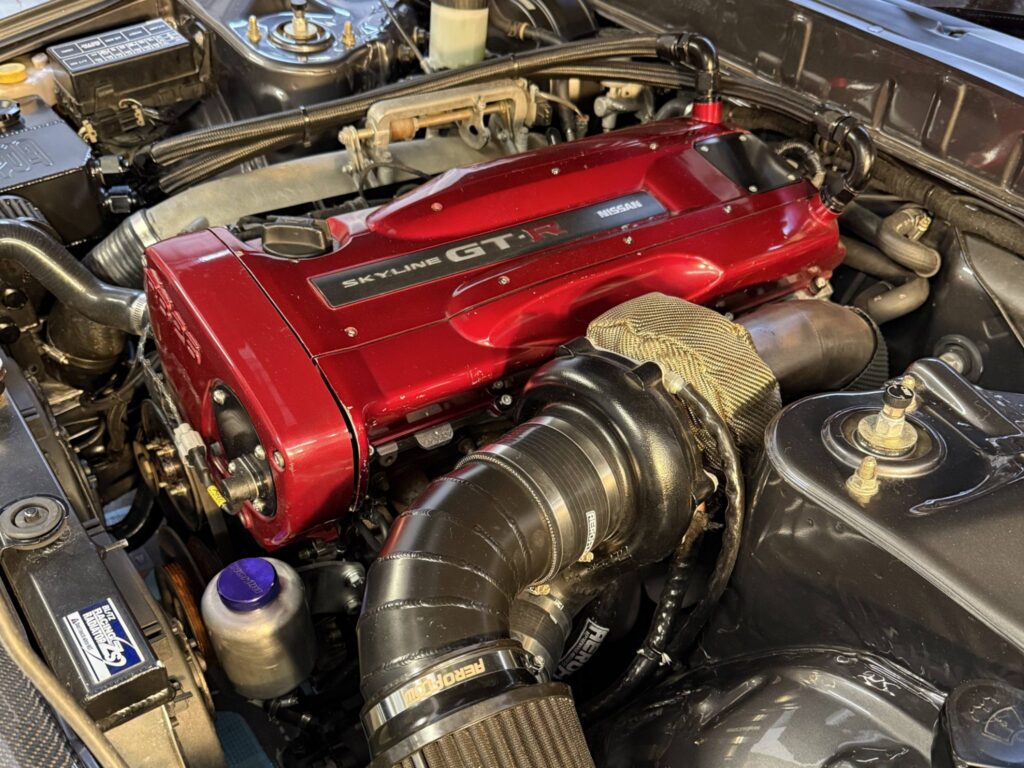
The heart of the GT-R is the now-legendary RB26DETT, a 2.6-liter, twin-turbo inline-six with a forged aluminum block and individual throttle bodies.
While the official power figures of the RB26DETT are a modest 276 horsepower (280 PS) and 260 lb-ft of torque, any enthusiast worth their salt will know that under the factory’s sheet metal, this engine had way more than enough power to spare. As a matter of fact, any standard RB26DETT will make more than three hundred horsepower right off the showroom floor. Furthermore, the robust design allows it to make more than double that figure with a healthy dose of modifications.
Though the R32’s body might give away a sleeper impression, the mighty Godzilla was nothing less than a monster in disguise.
Engineering Supremacy
Of course, the power output alone would not secure Nissan’s spot on the throne. The way in which that power was utilized was the true marvel of the R32. The ATTESA E-TS (Advanced Total Traction Engineering System for All-Terrain) all-wheel-drive system made its debut on the R32 GT-R. Unlike the standard 4WD systems of the era, which added a frightening amount of mass to the front of the vehicles, ATTESA was rear-biased. Under normal conditions, 100 percent of the torque was sent to the rear wheels. However, in the case of wheel spin, up to fifty percent of the power could be sent to the front wheels, allowing for exceptionally sharp cornering performance.
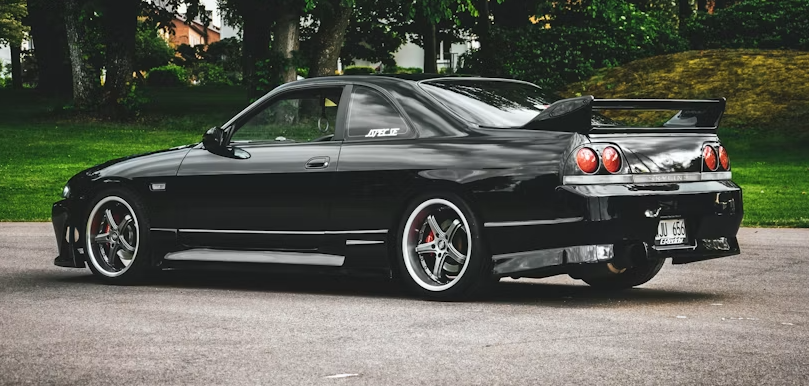
While the 2.6-liter displacement of the RB26DETT may seem like an odd choice at first, it was actually a masterclass in engineering and regulation manipulation.
Group A regulations stated that the engine capacity was to be calculated based on the engine’s width. Furthermore, there was a minimum weight to be reached for a given set of tire widths. Since the ATTESA system added weight to the vehicle, Nissan had to increase the displacement to reach the minimum weight. The 2.6-liter RB26DETT is actually a 4.5-liter engine with turbochargers that multiply the engine’s displacement by 2.6 times. This allowed the R32 to utilize the 11-inch wide tires specified for the 4.5-liter engine class. Coupled with the Super HICAS four-wheel steering system, the mighty Godzilla was more than a match for its competitors.
Forging a Legend on the Track
The Godzilla’s masterful blend of power and handling secured the R32’s position as a dominant force on the track. Between 1990 and 1993, the R32 GT-R was entered in the Japanese Touring Car Championship (JTCC). The mighty Godzilla started its racing career with a perfect record, winning all 29 races it entered.
To put this legendary vehicle’s power and performance into perspective, the difference between the homologation street cars and the race-prepared R32s is astonishing. While the official power figure for the street-legal R32 GT-R is 276 horsepower, the unrestricted Group A race cars easily eclipsed 600 horsepower. This is significantly higher than the competition’s race cars, such as the Ford Sierra RS500 Cosworth and the BMW M3 E30 Sport Evo, which put out approximately 500 and 320 horsepower, respectively.
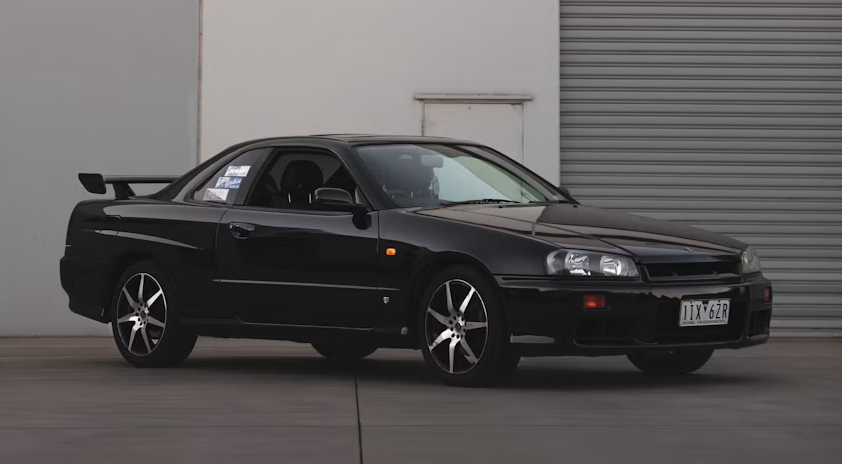
The R32 GT-R’s racing legacy is not to be confined to Japan, however, because it was destined to face off against Australia’s Bathurst 1000 V8 Holdens and Ford Sierra RS500s. It was so dominant that the Australian motoring press facetiously dubbed it “Godzilla,” the monster from Japan, after achieving a one-two finish in 1991 and defending its title in 1992. In response, the racing authorities banned the R32 GT-R from racing in Bathurst by changing the regulations since they could not find any other way to stop the Godzilla.
The Driving Experience
The driving experience of the mighty Godzilla is one worth remembering. Even with all the electronic driver-assistance systems of today, the raw power of the RB26DETT engine and the mechanical drivetrain is intoxicating. The sound of the twin ceramic turbochargers spinning up and the unique note of the straight-six engine keep the driver engaged at all times. The mechanical nature of the five-speed manual gearbox and the heavy, hydraulic steering also help keep the driver connected to the road.
The ATTESA system helps the driver by finding the limit of adhesion and utilizing the maximum power while in a turn, which launches the driver down the road.
A Lasting Legacy
While the 1989 Nissan Skyline GT-R R32 was destined to dominate the racing world, it also made its mark on the modern car culture. Tuning companies such as HKS, Nismo, and Mine’s have used the R32’s platform to produce 800 to 1,000 horsepower iron block RB26DETT engines. To this day, the R32 Skyline GT-R is the embodiment of the modern tuner car culture and has secured its place in the annals of motorsport history as one of the most sought-after classic cars.
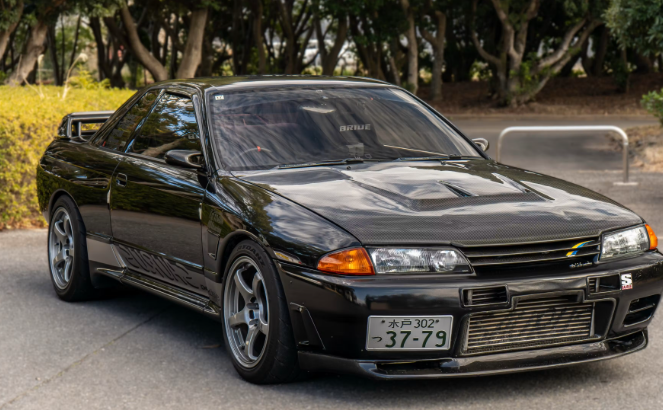
The influence of the mighty Godzilla has shaped the modern racing scene and continues to captivate enthusiasts and historians alike. The R32 Skyline GT-R is the epitome of engineering excellence from a time when manufacturers were given free rein to create a legendary machine.
Fascinated by raw driving experiences and automotive legends? You’ve arrived at the right place. At CLcompany, we share real stories, deep dives, and reflections from behind the wheel. If you’re passionate about cars and have a story of your own to tell, don’t forget to explore the writer’s section on the CLcompany website.