
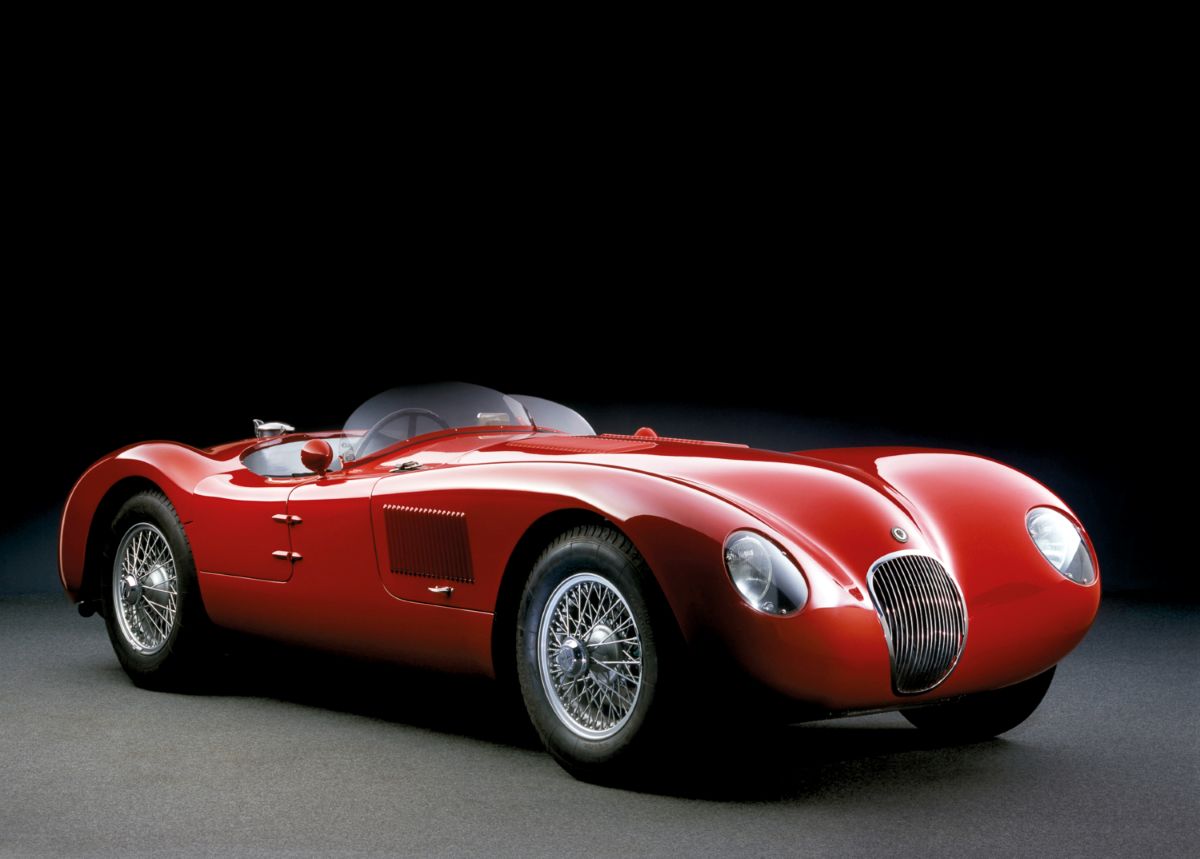
The Jaguar C-Type, or the XK120C, stands as a symbol of engineering excellence and racing innovation. Manufactured in 1951, this iconic car solidified Jaguar’s dominance in the motorsport world, particularly at the prestigious 24 Hours of Le Mans. With its sleek design and groundbreaking technology, the C-Type was built to excel on the racetrack, setting new standards for performance and reliability. CLcompany is delighted to feature the facts about the 1950s Classic Jaguar C-Type.
Flashback
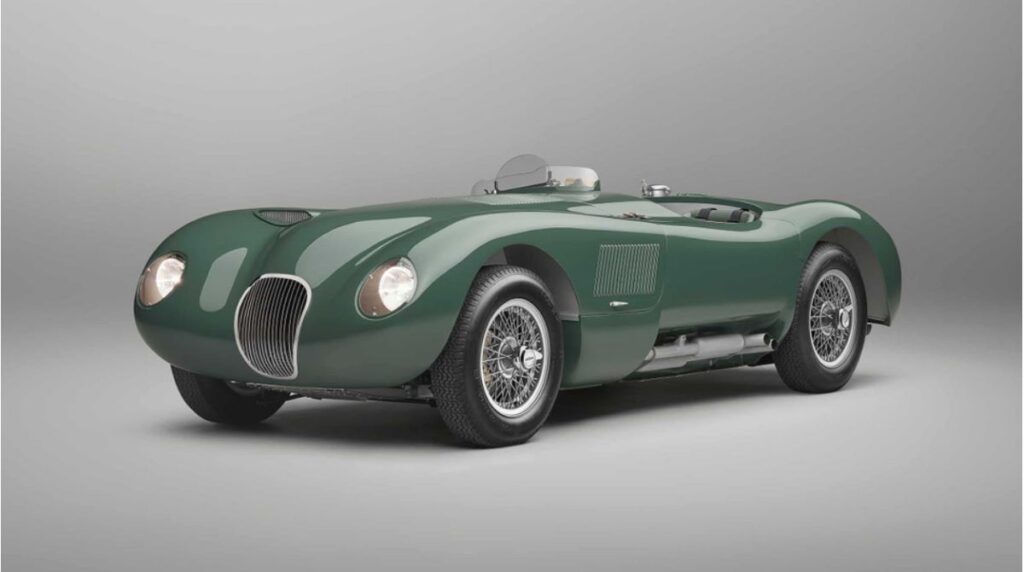
The Jaguar C-Type was born out of a desire to combine beauty with speed. Built on the foundation of the XK120 road car, the C-Type’s journey began with the vision of creating a lightweight and aerodynamic racer. Designed by Malcolm Sayer, a former aeronautical engineer, the car debuted at the 1951 Le Mans race, where it claimed victory on its first outing. Over the next few years, it became a force to reckon with, earning Jaguar a reputation as one of the premier racing car manufacturers of the era.
Years in Production – 1951 to 1953
The Design
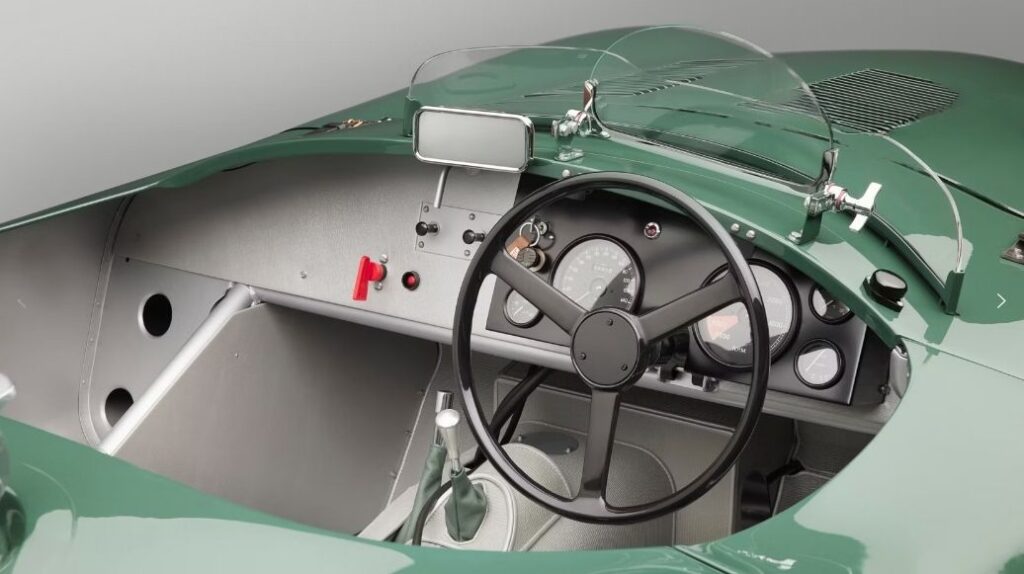
The Jaguar C-Type’s design was a testament to engineering brilliance, blending aerodynamics with aesthetic elegance. Its lightweight tubular spaceframe chassis, designed by William Heynes, was both rigid and exceptionally light, forming the foundation for its performance. The body, crafted from hand-formed aluminum panels, featured flowing curves and a teardrop profile to minimize air resistance. The sleek design not only enhanced its top speed but also improved stability at high velocities, crucial for endurance racing. The front grille was wide and distinctive, ensuring optimal airflow to cool the engine during grueling races. The car’s low-slung stance and minimal overhangs further emphasized its racing purpose. Inside, the cockpit was spartan, with a focus on reducing weight and providing essential controls for the driver. The innovative design, inspired by aeronautical principles, set a new standard for racing cars of its era.
Top Specifications of Jaguar C-Type
- Displacement – 3.4 liters
- Power – 200 horsepower
- Torque – Approximately 280 Nm
- Transmission – 4-speed manual
- Top Speed – 150 mph (241 km/h)
- Kerb Weight – 2,094 lbs (950 kg)
- Wheelbase – 8 ft (2.44 m)
Interesting Facts
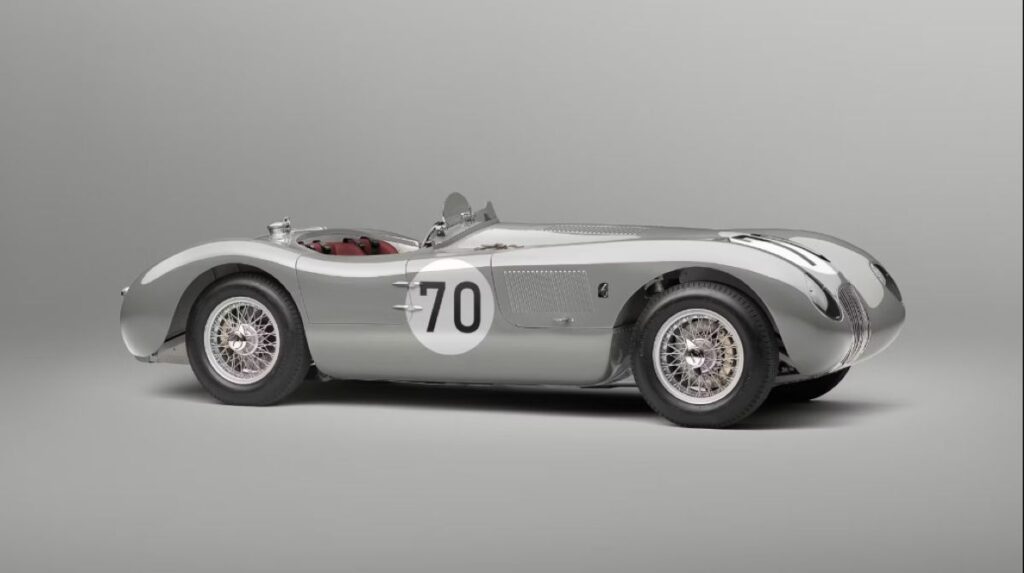
- The Jaguar C-Type was the first car to use disc brakes in racing, giving it a significant advantage over competitors.
- In 1951, it won the 24 Hours of Le Mans on its debut, driven by Peter Walker and Peter Whitehead.
- Only 53 units of the C-Type were ever produced, making it a rare collector’s item today.
- The C-Type’s success at Le Mans inspired subsequent Jaguar models like the D-Type and E-Type, cementing the brand’s legacy in motorsport.
- In modern times, a well-preserved Jaguar C-Type can fetch millions at auctions, underscoring its historical and cultural significance.
Fascinated by old Stars. You have reached your destination. At CLcompany we have curated pictures, write-ups, and more about the legendary journey of Cars. If you are looking to share your thoughts on Classic Cars, do check out the writer’s section on the CLcompany website.
Share the passion with the world.