
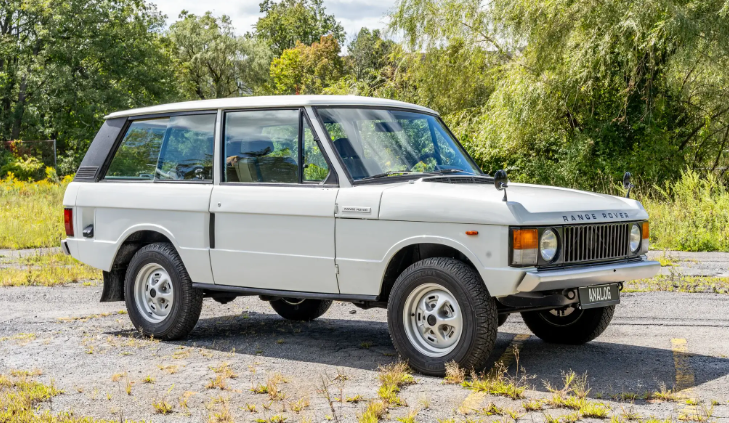
Before people started calling them SUVs there was the Range Rover. When Charles Spencer King came up with the original in 1970 it was meant to be a practical Land Rover with a bit more comfort.. In the 1980s things changed. The basic interiors turned into ones with burr walnut and rich leather. Without trying the Range Rover invented the whole idea of a luxury off-roader.
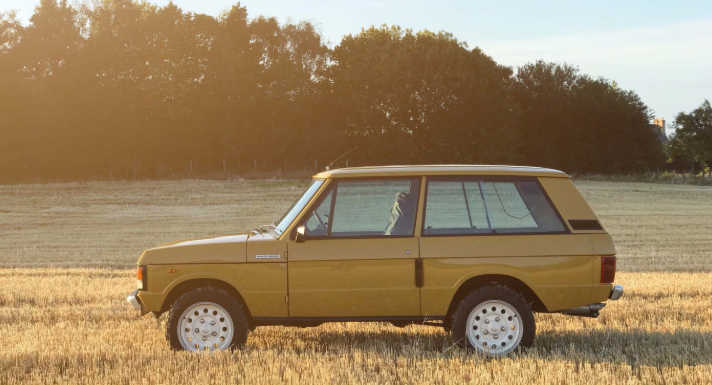
Source: By Opumo
This evolution was perfectly realized in the 1989 3.9 Vogue SEI, where that newfound opulence was backed by serious mechanical upgrades. Sitting at its heart was a 3.9-liter V8 engine, displacing 3,947 cm3. Mated to a refined 4-speed automatic transmission, it generated 182 horsepower at 4,750 rpm and 312 Nm of torque at 3,100 rpm. This provided the effortless pulling power required to move its substantial 1,892 kg (4,171 lbs) kerb weight, smoothly propelling the vehicle to a top speed of 111 mph (179 km/h). It was an absolute masterclass in engineering, seamlessly blending utilitarian origins with high-end touring performance.
The Four-Door Revolution
Everything changed in 1981. For over ten years the Range Rover only had two doors. People in the back had to climb over the seats. When the four-door model came out it was a deal. It wasn’t for country weekends anymore; it was a real competitor to luxury sedans.
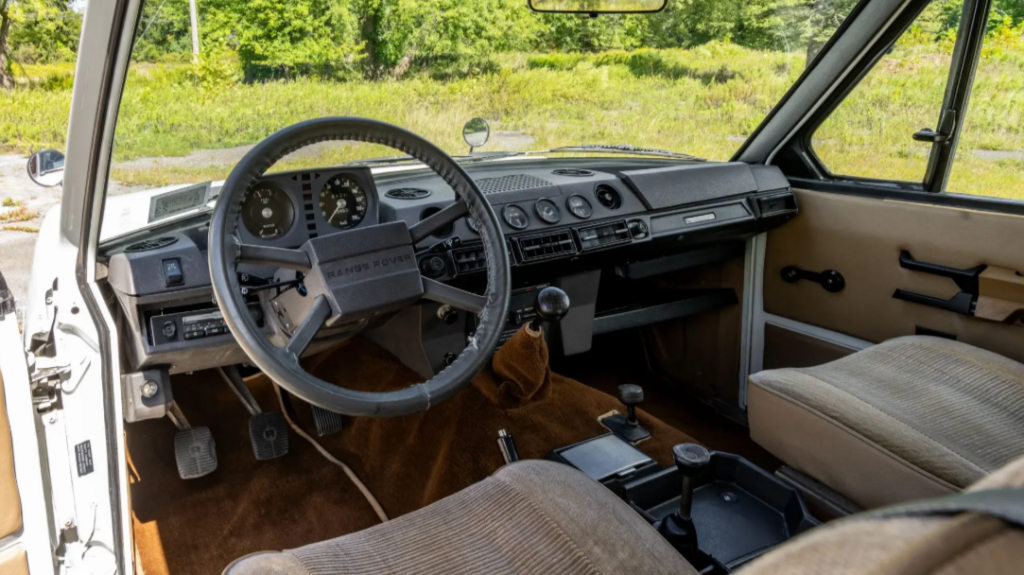
Source: By PcarMarket
That’s when the special ‘In Vogue’ edition came out and became popular quickly. It turned into the Vogue trim. You could get transmissions, air conditioning and soft carpets. All the comforts you expect. Underneath Land Rover didn’t change much. It still had a ladder frame that could handle tough terrain like the Darién Gap.
The Buick-Influenced Heartbeat
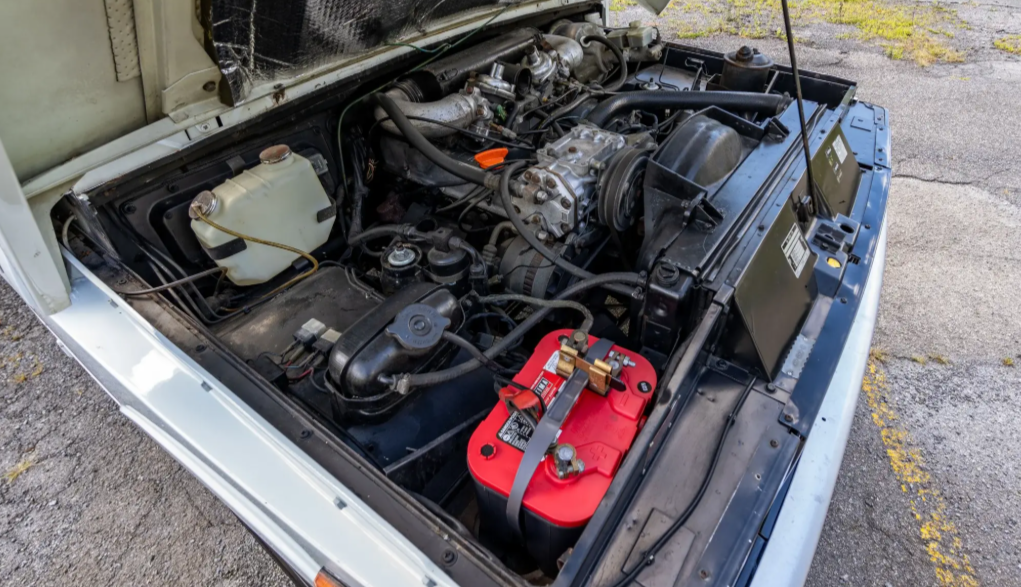
Source: By PcarMarket
The Rover V8 engine is a true survivor. It started life as a lightweight Buick design, but it ultimately found its true home in England. In the ’80s, the 3.5-liter and later 3.9-liter versions brought serious, usable power to the table. By the end of the decade, the 3.9-liter was delivering 182 horsepower and a stout 224 lb-ft of torque offering the perfect low-end pulling power for both highway cruising and demanding off-road adventures. It didn’t focus on raw speed it focused on relaxed, confident driving.
Engineering a Dual Personality
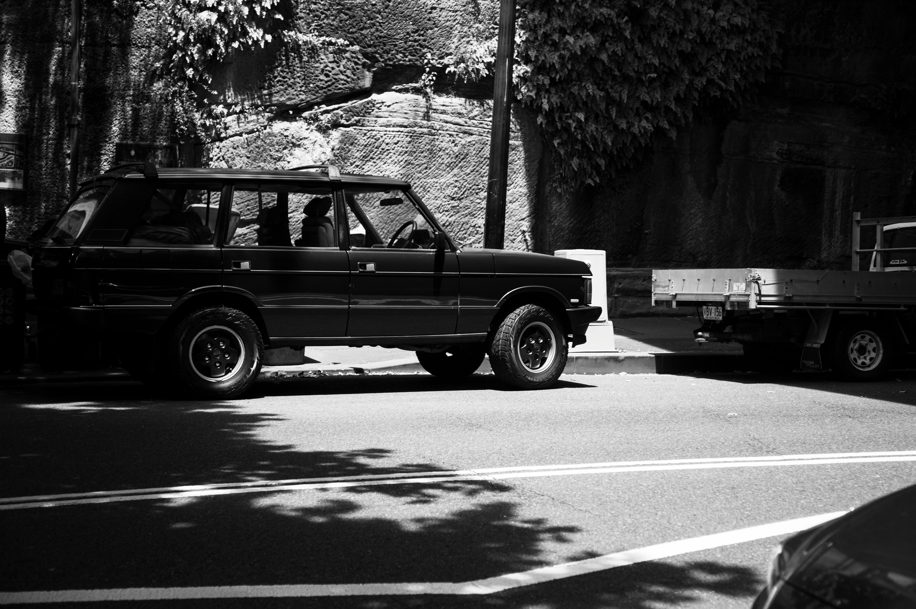
The secret to the Range Rover Classics legend is its engineering. While other four-wheel drives were rough the Range Rover utilized long-travel coil springs paired with heavy-duty solid live axles. This meant it could handle off-road terrain and still ride comfortably on regular roads.
Source: By Christian Tan from UnSplash
This specific setup was a mechanical masterstroke. It allowed for massive axle articulation to crawl over jagged terrain off-road, yet still delivered a remarkably smooth, comfortable ride on the tarmac. It is exactly this uncompromised suspension setup that made the Range Rover undeniably great both on and off the road.
An Aristocratic Road Presence
Source: By PcarMarket
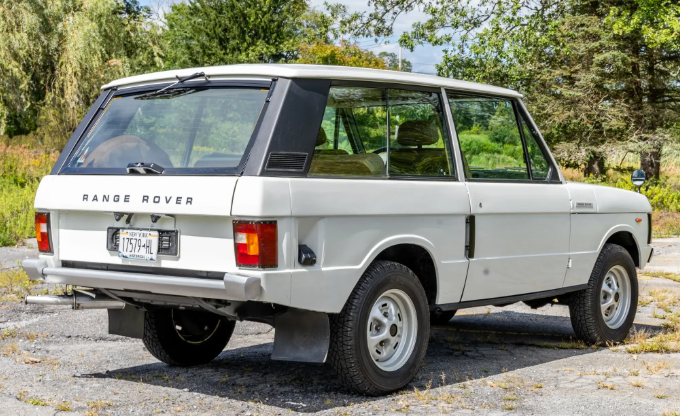
The ’80s Range Rover stands out today. It doesn’t try to get attention with grilles or bulging wheel arches. Instead it has a effortless authority. Almost aristocratic. The upright posture, little corner markers and tall cabin give it presence anywhere. You feel respected whether you’re driving in the city or countryside. It doesn’t need to be aggressive; its confidence is built-in.
A Legacy Set in Steel and Aluminum
Source: By Abhinand Venugopal from UnSplash
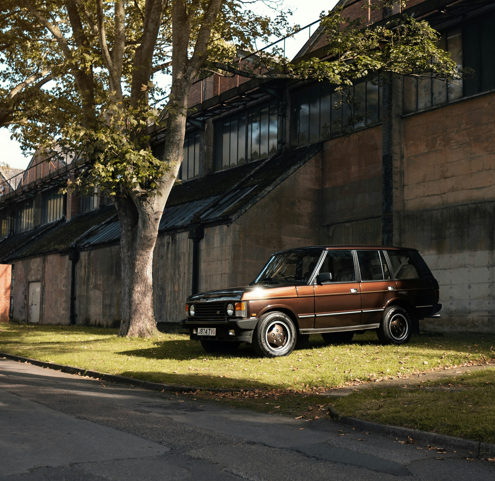
Look at a kept ’80s Range Rover Classic today and its clear: this isn’t just another old SUV. It’s art, on wheels. The proportions are good the design is clean. Everything has a purpose. Then function came first and style followed naturally. Luxury happened naturally not for marketing. If you’re a purist the Classic isn’t the original luxury SUV. It’s still the one ever made.
Fascinated by raw driving experiences and automotive legends? You’ve arrived at the right place. At CLcompany, we share real stories, deep dives, and reflections from behind the wheel. If you’re passionate about cars and have a story of your own to tell, don’t forget to explore the writer’s section on the CLcompany website.