
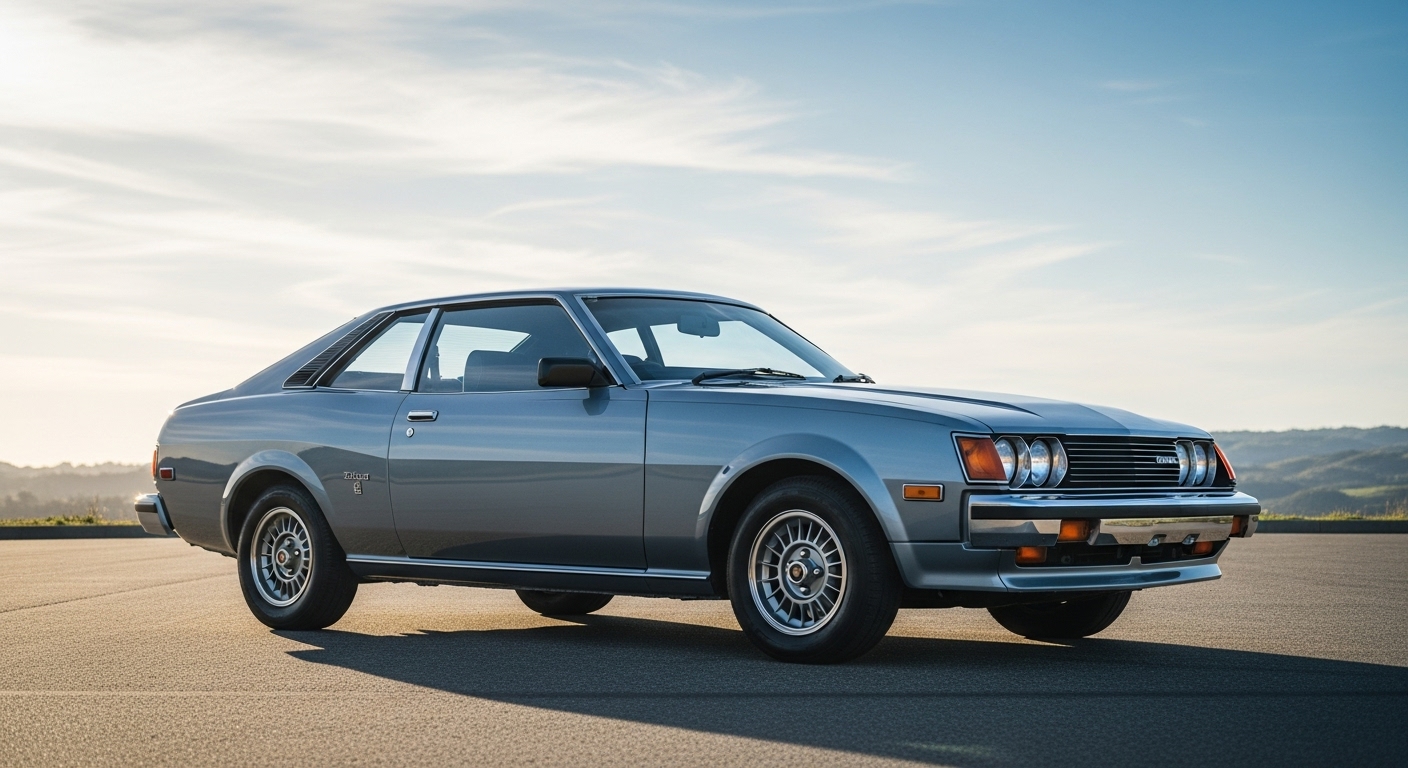
The Toyota Celica Camry occupies a unique place in automotive history as a fascinating transitional model that bridged the gap between Toyota’s sporting and practical ambitions. This rare variant combined the sleek styling of the Celica with the practicality of the Camry nameplate, creating a distinctive four-door sports sedan that remains largely unknown outside of specific markets. The Celica Camry, with its blend of performance-oriented design and family-friendly versatility, represents an intriguing chapter in Toyota’s evolution during the late 1970s and early 1980s. Clcompany is delighted to explore the facts about this uncommon classic.
Flashback
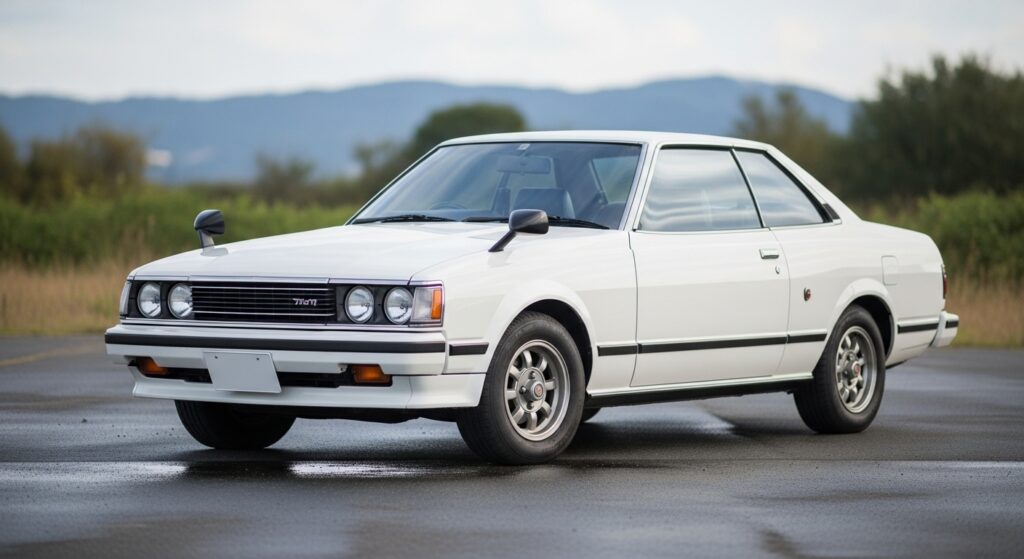
The Celica Camry emerged in 1980 as Toyota sought to expand its lineup between the sporty two-door Celica and the more conservative Camry sedan. Engineered primarily for the Japanese domestic market, this model utilized the Celica’s aggressive front-end styling and sporty character while incorporating a four-door sedan body configuration. The name itself reflects this duality – borrowing the Celica’s performance heritage while adopting the Camry designation that would eventually become synonymous with reliable family transportation.
This hybrid approach resulted in a vehicle that appealed to buyers seeking Celica’s dynamic appearance without sacrificing rear-seat access and trunk space. The Celica Camry served as a precursor to the standalone Camry line that would later dominate global sales charts. Production ran from 1980 to 1982, a brief but significant period that helped Toyota refine its strategy for building sport sedans.
Years in production – 1980 to 1982
The Design
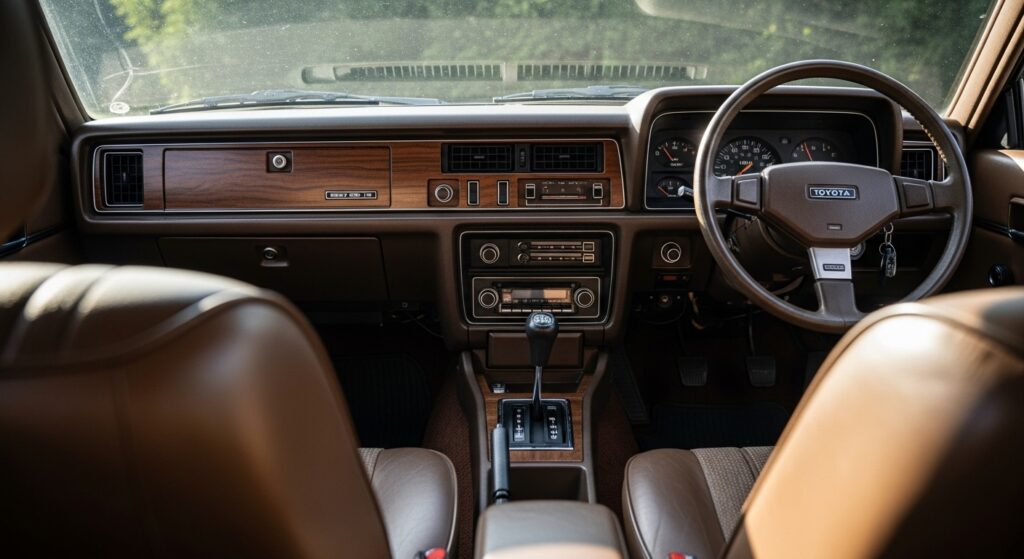
The Celica Camry’s design philosophy centered on marrying athletic aesthetics with practical functionality. Its front fascia featured the distinctive rectangular headlights and aggressive grille treatment borrowed directly from the contemporary Celica coupe, immediately communicating sportiness. The elongated sedan body maintained relatively clean lines with subtle character creases, while the rear styling adopted a more conservative approach befitting a family-oriented vehicle.
Under the hood, the Celica Camry featured Toyota’s reliable inline-four engines, with displacement options ranging from 1.6 to 2.0 liters. The more powerful 18R-G engine, particularly in higher-spec models, delivered spirited performance that lived up to the Celica association. Power was transmitted through either a five-speed manual or four-speed automatic transmission, providing flexibility for different driving preferences.
The suspension setup struck a balance between the Celica’s sport-tuned characteristics and the comfort expectations of sedan buyers. Independent front suspension and a live rear axle with coil springs provided adequate handling dynamics while maintaining ride quality suitable for daily commuting and family duties. The interior featured period-appropriate instrumentation with optional sporty touches like a tachometer and sport seats, further reinforcing its dual-purpose nature.
Body styles remained limited to a four-door sedan configuration, distinguishing it from both the two-door Celica and the more conventional Camry that followed. This exclusivity, combined with its limited production run and market availability, makes the Celica Camry a particularly rare find today.
Top Specifications of Toyota Celica Camry
- Displacement – 1968 cc (18R-G variant)
- Power – 135 bhp @ 6400 rpm
- Torque – 167 nm @ 5200 rpm
- Transmission – 5-speed manual / 4-speed automatic
- Top speed – Approximately 180 km/h
- Kerb weight – 1050 kg
- Wheelbase – 98.4 inches
Interesting Facts
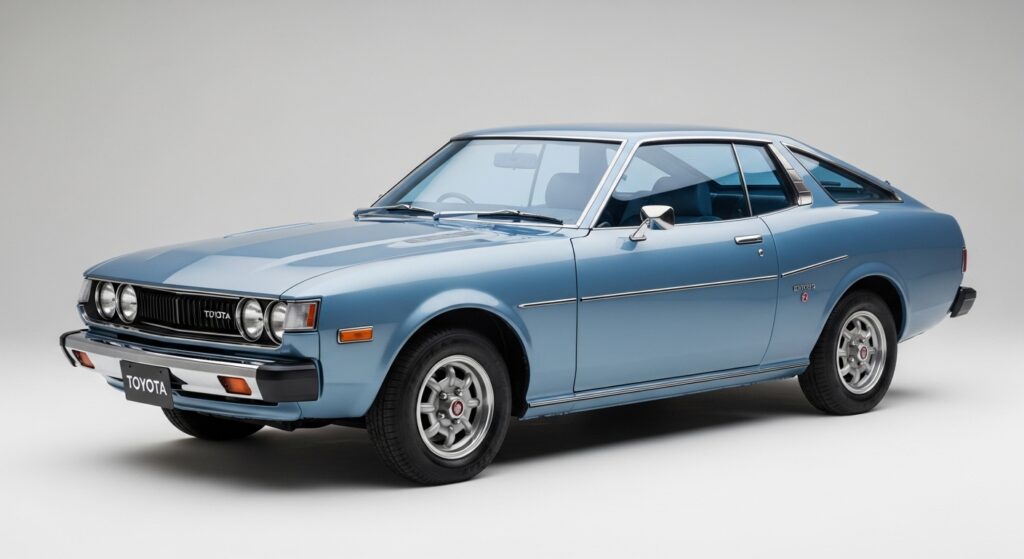
- The Celica Camry was primarily marketed in Japan and select Asian markets, making it extremely rare in Western countries. This limited distribution contributes significantly to its obscurity among global car enthusiasts today.
- Despite its short production life, the Celica Camry played a crucial role in Toyota’s product planning. Lessons learned from this model directly influenced the development of the standalone Camry line, which debuted in 1982 and evolved into one of the world’s best-selling sedans.
- The naming convention itself proved confusing to some buyers, as it blurred the lines between Toyota’s two distinct model families. This ambiguity likely contributed to Toyota’s decision to discontinue the Celica Camry designation and develop the Camry as a completely separate entity with its own identity.
- Certain high-performance variants of the Celica Camry featured the same twin-cam 18R-G engine used in the Celica GT, delivering genuine sports sedan performance that could surprise competitors on twisty roads.
The Legacy
Today, the Celica Camry remains a collector’s curiosity rather than a mainstream classic. Its rarity and unusual positioning in Toyota’s history make it an intriguing find for enthusiasts who appreciate automotive oddities and transitional models. While it never achieved the legendary status of the Celica sports car or the commercial success of the Camry sedan that followed, the Celica Camry deserves recognition as an important stepping stone in Toyota’s evolution.
Fascinated by rare automotive gems? You have reached your destination. At CLcompany we have curated pictures, write-ups, and more about the legendary journey of cars. If you are looking to share your thoughts on classic cars, do check out the writer’s section on the CLcompany website.